CHAPTER 01 // THE LITERATURE, DISTILLED
What the research actually says.
The peer-reviewed CJC-1295 record is small and sharp. One Phase 1 human PK paper. One pulsatility substudy. One GHRH-knockout mouse rescue. A handful of forensic detection method papers. A 2024 Nature Reviews summary. Here is what each one says.
What the studies actually measured — the short version
The published human record for CJC-1295 is small and precise: one Phase 1 pharmacokinetics paper (Teichman 2006), one pulsatility substudy (Ionescu and Frohman 2006), and a handful of animal studies and detection methods. There is no published Phase 2 efficacy data; the trial that would have generated it was terminated in 2006 [10].
The headline numbers from Phase 1: single subcutaneous doses of 30 or 60 micrograms per kilogram raised mean plasma growth hormone two- to tenfold over baseline for at least six days, and IGF-1 (the liver hormone downstream of GH) by one-and-a-half to threefold for nine to eleven days [2]. What is unusual is that pulsatile GH secretion was preserved — the pituitary still fired in its normal pulse pattern rather than being flattened by continuous stimulation [4].
The research page also covers the forensic detection literature (how anti-doping labs find CJC-1295 in seized preparations and athlete samples) and the 2024 regulatory decisions that removed it from the compounding pharmacy bulks list. The bibliography is twenty sources, all linked.
Mechanism — GHRH receptor agonism, end to end
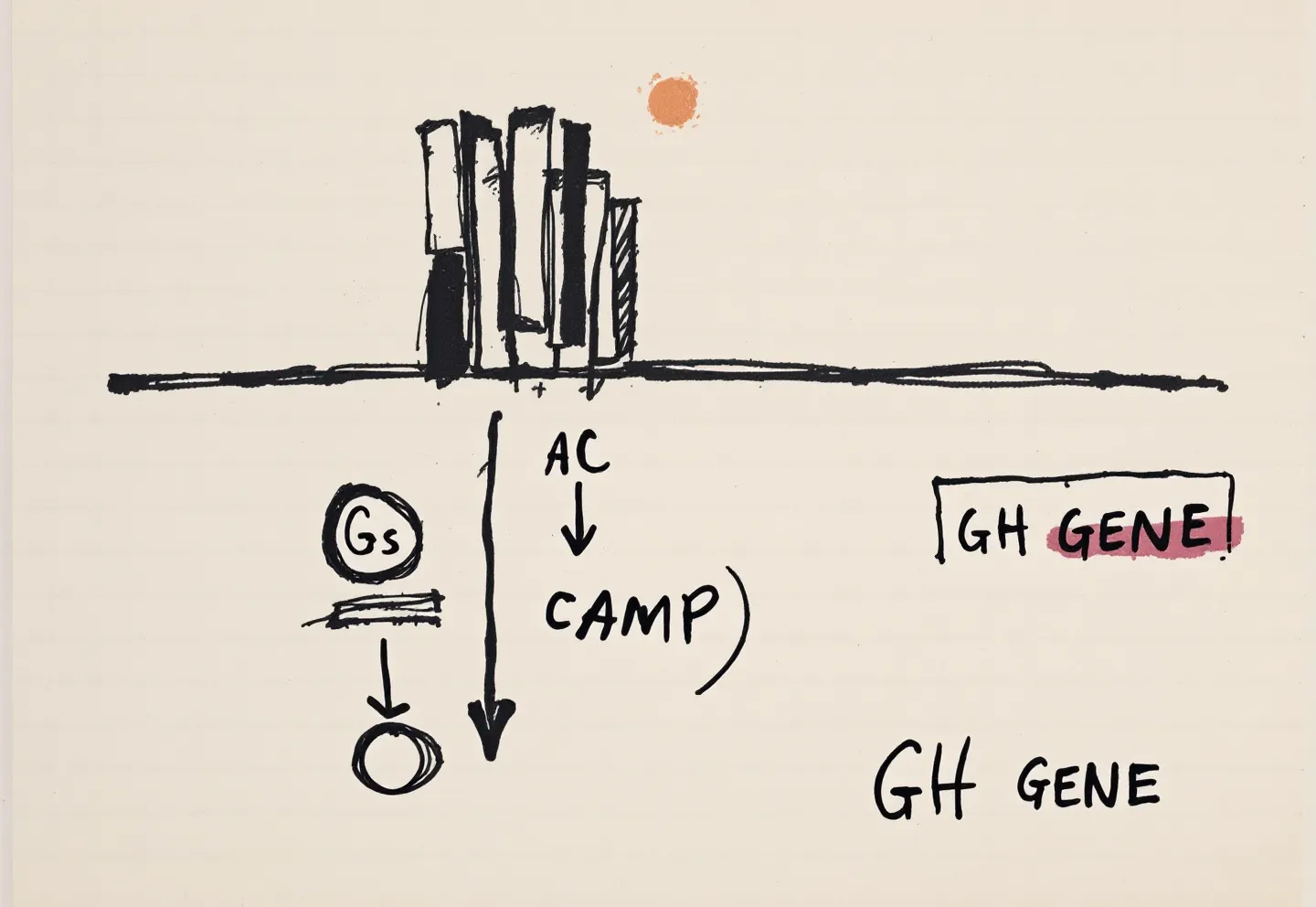
CJC-1295 is a 30-residue agonist of the GHRH receptor (GHRHR), a class-B G-protein-coupled receptor expressed predominantly on anterior pituitary somatotrophs. The receptor couples through Gs to adenylyl cyclase, raising intracellular cAMP, activating PKA, and driving transcription of the GH gene [1]. Downstream of GH release, hepatic IGF-1 production rises over a multi-day window — IGF-1 is the standard biomarker for measuring GH-axis activation in CJC-1295 PK studies [2][7].
What makes the GHRH-receptor mechanism distinctive among GH-axis interventions is that it operates upstream of the pituitary's own pulsatile release machinery. The somatotroph still decides when to fire. Exogenous recombinant GH, by contrast, replaces the pituitary's output with a continuous external supply. The mechanism difference matters for the next finding.
Pulsatility — the pattern survives the long half-life
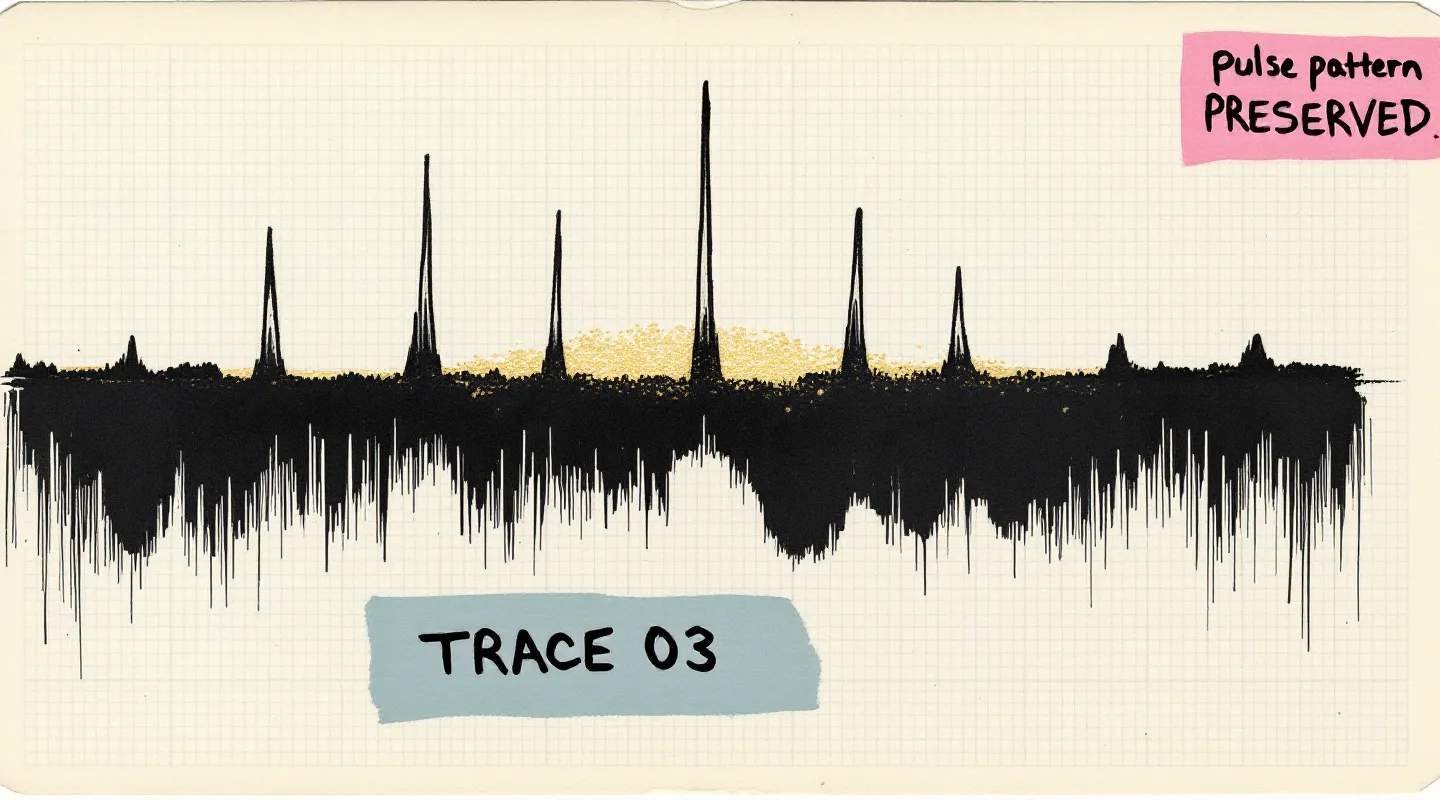
The Ionescu and Frohman 2006 substudy of the Phase 1 cohort produced what is probably the most interesting single observation in the human CJC-1295 record. Even during the multi-day continuous albumin-mediated stimulation produced by a single subcutaneous dose of CJC-1295, GH secretion remained pulsatile rather than tonic [4]. Single doses raised basal trough GH levels approximately 7.5-fold while preserving the natural pulse pattern, and mean GH ran roughly 46% above baseline [4].
That is the opposite of what continuous exogenous GHRH infusion eventually does — sustained GHRH exposure desensitizes the receptor and flattens the pulse. CJC-1295 DAC, despite producing a continuous receptor-bound presence in plasma for days, did not flatten the pulse in the cohort studied. The pulsatile architecture is preserved because the somatotroph's own oscillator continues to operate; CJC-1295 raises the floor and amplifies the peaks rather than replacing them [4]. This finding underwrites the entire pharmacological rationale for using a long-acting GHRH analog instead of recombinant GH itself.
The four substitutions and the DAC linker
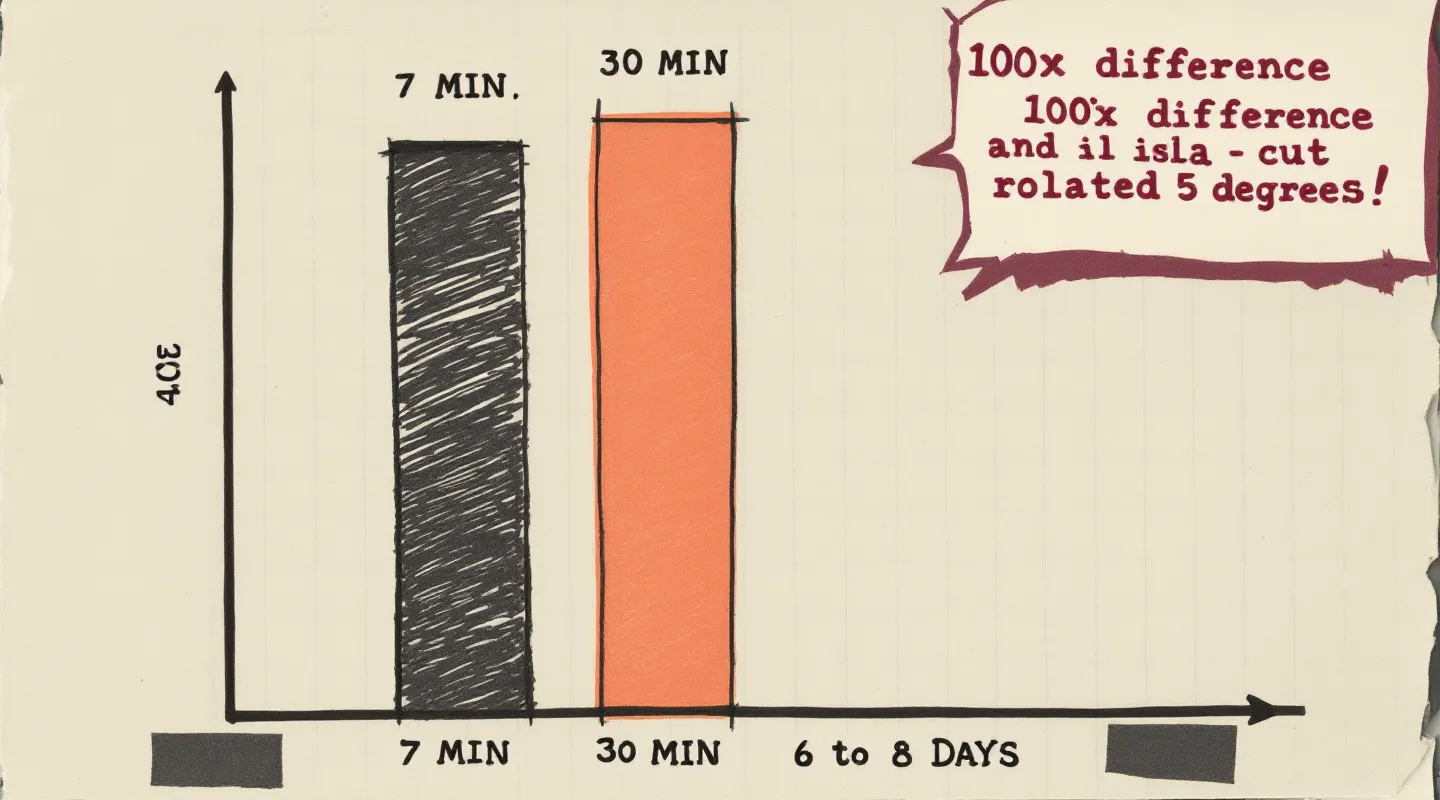
Native human GHRH has a plasma half-life of approximately 7 minutes — the molecule is rapidly cleaved by dipeptidyl peptidase-4 (DPP-4) and degraded by other peptidases [6]. The CJC-1295 backbone takes the first 29 residues of hGRF and makes four protective substitutions: D-alanine at position 2 confers DPP-4 resistance, glutamine at position 8 prevents deamidation, alanine at position 15 prevents oxidation, and leucine at position 27 adds further oxidative stability [6]. With those four changes alone — and no albumin conjugation — the half-life of the resulting modified GRF(1-29) peptide extends from approximately 7 minutes to approximately 30 minutes [6]. Receptor affinity is preserved.
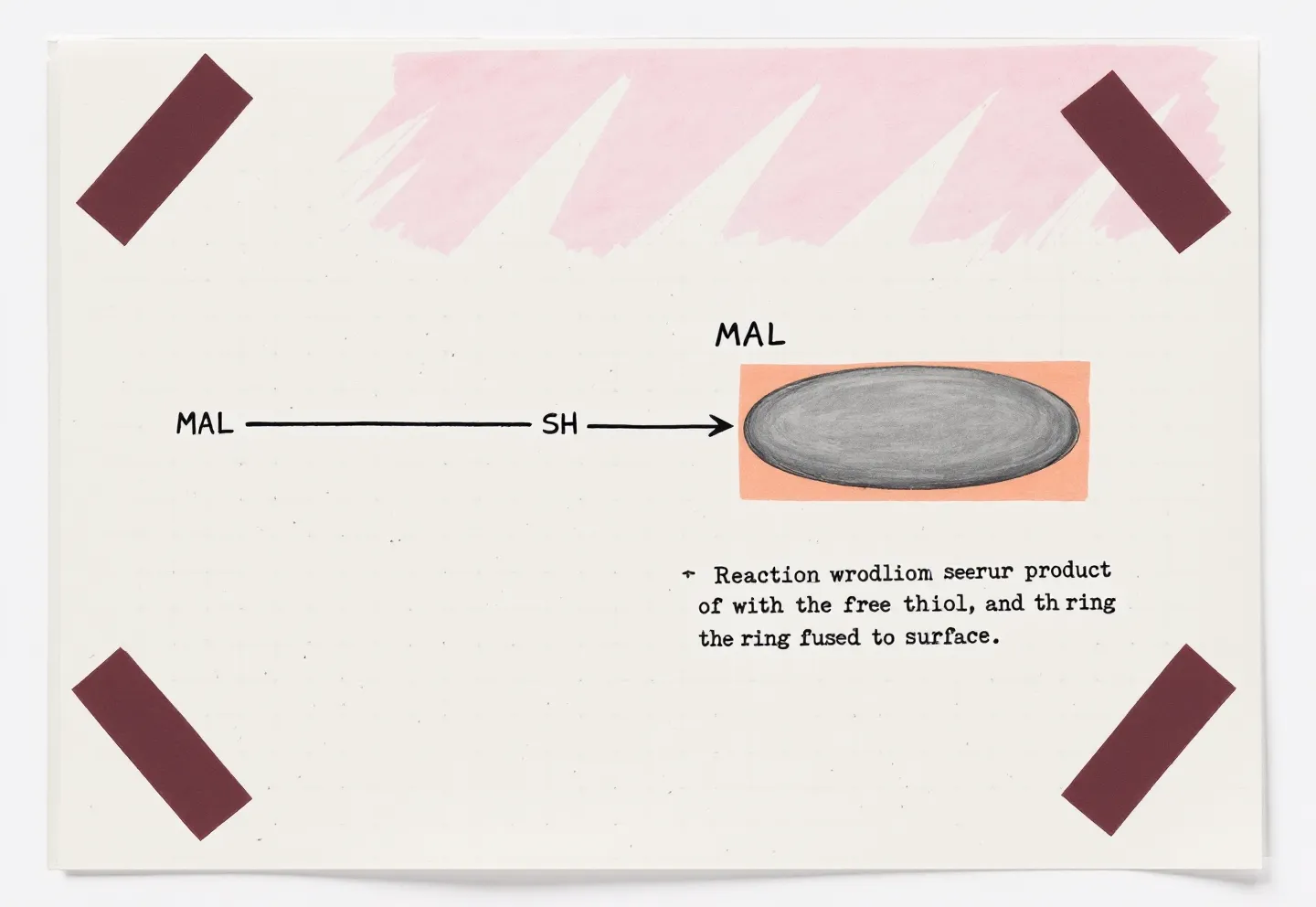
The DAC variant adds the C-terminal maleimidopropionic acid linker. After subcutaneous injection, the reactive maleimide undergoes a Michael addition with the free thiol on Cys34 of circulating serum albumin, forming a covalent peptide-albumin bioconjugate [1]. The bioconjugate is shielded from renal filtration (albumin is too large) and from most peptidase exposure (the active peptide is now tethered to a 66 kDa carrier). The Teichman 2006 PK study reports a mean plasma half-life of 5.8 to 8.1 days across dose cohorts of 30 to 250 μg/kg — the longest measured plasma half-life of any published GHRH analog [3].
The Phase 1 numbers, dose by dose
The Teichman 2006 study in JCEM is the single complete human PK record. Healthy adult volunteers received single subcutaneous doses of 30, 60, 125, or 250 μg/kg [2]. Across dose cohorts, mean plasma GH increased two- to ten-fold over baseline and remained elevated for at least six days. IGF-1 increased 1.5- to three-fold and remained elevated for nine to eleven days [2]. Multi-dose cohorts dosed weekly or biweekly maintained IGF-1 elevation for up to twenty-eight days [2].
Reported acute side effects in the published human exposure literature include flushing that resolves within ten to twenty minutes after dose, transient dizziness, and injection-site reactions [10]. These are not uncommon for any subcutaneous peptide injection. The sample sizes were small; long-term safety data do not exist in published form.
Animal models — the GHRH-knockout mouse
Alba and colleagues 2006 administered CJC-1295 to GHRH-knockout mice — animals genetically unable to produce endogenous GHRH and consequently growth-retarded. Once-daily subcutaneous injections of 2 μg per dose (approximately 80 μg/kg in a 25 g mouse) for five weeks normalized linear growth and body weight; dosing at 48- or 72-hour intervals produced partial restoration [5]. Treatment also increased pituitary somatotroph proliferation and GH mRNA [5].
The knockout-rescue paradigm matters because it isolates the effect of GHRH-receptor agonism from any indirect pathway. CJC-1295 fully substitutes for endogenous GHRH in an animal that has none. The rat work earlier in the development program — Jetté and colleagues 2005 — established the underlying receptor-binding activity, with single subcutaneous boluses producing roughly four-fold increases in GH AUC over two hours and bioactivity remaining detectable for more than 72 hours after injection [1].
The 2006 Phase 2 termination and what came after
ConjuChem Biotechnologies opened a Phase 2 randomized double-blind placebo-controlled trial of CJC-1295 in HIV-associated visceral adiposity (NCT00267527) and enrolled 192 participants on a weekly subcutaneous regimen [10]. The trial was terminated in October 2006 after a participant death from an acute coronary event approximately two hours after the eleventh weekly dose. An independent review attributed the event to pre-existing undiagnosed coronary artery disease and judged it unrelated to study drug [10].
The trial was never restarted. No primary endpoint data were published. No sponsor-funded clinical development of CJC-1295 has occurred since. Every human exposure to CJC-1295 in the past two decades has come through non-IND pathways — compounding pharmacies (status unclear, see /faq), wellness clinic protocols, and research-chemical supply — none of which generate publishable RCT data. That absence is the central feature of the contemporary record.
Recent forensic and detection work
Most of the recent CJC-1295 literature is analytical chemistry. Henninge and colleagues 2010 used LC-HRMS/MS sequence determination to identify an unknown peptide pharmaceutical preparation seized by an anti-doping laboratory as CJC-1295 — the first documented forensic confirmation that material being sold as CJC-1295 in illicit channels actually contained the labeled peptide [8]. Two Timms and colleagues 2019 papers built an immuno-PCR screen and an LC-MS/MS confirmation method for CJC-1295 in equine plasma, with the latter detecting CJC-1295 at concentrations as low as 180 pg/mL [11][12]. A 2024 Thomas and colleagues paper validated nano-LC quadrupole/orbitrap mass spectrometry methods for screening CJC-1295 and related GHRH analogs in athlete urine in compliance with WADA technical requirements [13].
The forensic work matters for two reasons. First, it confirms that detection of CJC-1295 in any tested athlete is now routine to sub-ng/mL — the analytical chemistry has caught up. Second, the Sackmann-Sala 2009 proteomic study identified five differentially expressed serum proteins in healthy young men one week after a single CJC-1295 injection, with the immunoglobulin/albumin fragment spot correlating linearly with IGF-1 levels [7] — biomarker work that could in principle support an indirect anti-doping marker, though no such marker is currently in routine use.
The 2024 Nature Reviews Endocrinology summary by Schally and colleagues situates the GHRH-analog class — including long-acting forms like CJC-1295 — in the broader landscape of cell growth, wound healing, neuroprotection, cardiovascular, and oncology research [18]. That review is the most recent comprehensive scientific synthesis of where the field stands.